Reading
is one of the most powerful skills your child will ever learn. It unlocks every
subject at school, boosts confidence in group settings, and fuels imagination. But what if your
child is reluctant, struggles to read, or just needs more encouragement?
The good
news: you don’t need to be a teacher to make a difference. With a few simple
strategies, you can help your child build strong reading habits, and actually
enjoy the world of books.
At Primary Tutor Project, we specialise in
online Maths and English tuition for 5–12-year-olds worldwide. We see firsthand
how developing reading skills transforms a child’s confidence, comprehension,
and even performance in maths.
Why Reading Matters for
Primary School Children
Reading
is more than homework, it shapes how your child sees the world. Just 10 minutes
of daily reading can lead to:
- Faster vocabulary growth
- Improved comprehension skills
- Stronger writing ability
- Greater confidence across
subjects
Whether your child is
sounding out their first words or moving on to chapter books, your support at
home makes a huge difference.
7 Fun
Ways to Support Reading at Home
1. Create a Cosy Reading
Nook
Kids love special spaces.
Set up a comfy corner with cushions, blankets, and shelves of age-appropriate
books. Picture books work well for younger kids, while short chapter books
appeal to older readers.
Try this: Let your child decorate
their nook with fairy lights or a poster of their favourite book character to
make it their own.
2. Read Together
Daily
Spend 10-15 minutes reading with your child every day. For
younger kids (5-7), read aloud with silly voices to keep them hooked. For older
kids (8-12), take turns reading or chat about the story. This builds skills and
strengthens your bond.
Looking for great books to share? Check out our curated
book list for 7-9-year-olds at the Primary Tutor Project Bookshop featuring engaging titles
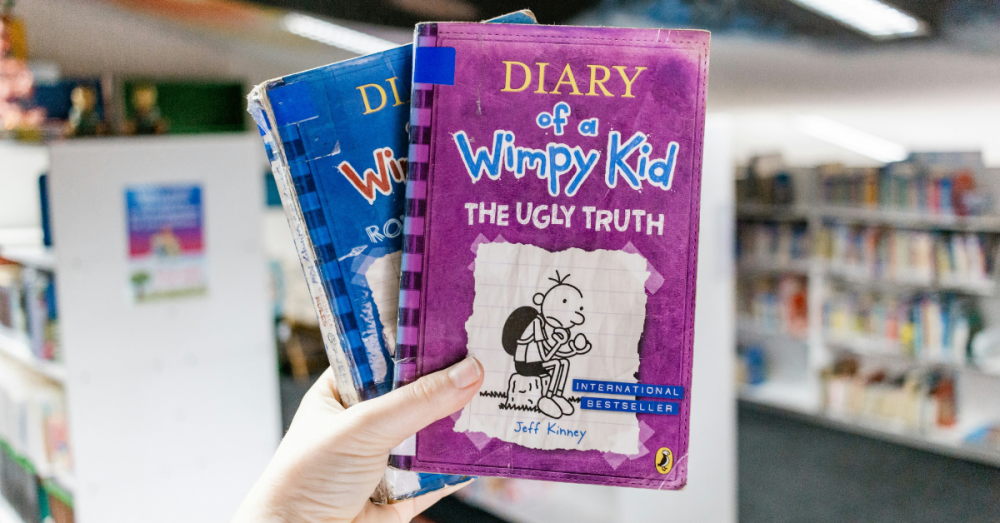
like Diary of a Wimpy Kid by Jeff Kinney, perfect for reluctant readers,
or The BFG by Roald Dahl, a magical story to spark their imagination.
Try this: Choose a gripping series like Horrid Henry or The
Magic Tree House to keep them eager for the next book.
3. Make Reading a
Game
Turn reading into play to keep it fun. Create a
"reading treasure hunt” with clues hidden in books, or have them act out a
scene after reading a page. These activities make reading interactive,
especially for younger kids.
Try this: Use a sticker chart to reward finishing books or
chapters, leading to a treat like a library trip or new book.
4. Encourage Real-Life
Reading
Show your child that reading is everywhere. Point out words
on cereal boxes, shop signs, or recipes. For older kids, read a simple recipe
together and cook something fun, like biscuits, to make reading practical.
Try this: At the supermarket, ask your child to read the shopping
list or find items by reading labels. It’s a sneaky way to practise. This is a
great strategy for parents looking for fun ways to improve reading at home.
5. Visit the Library
Together
Libraries are a treasure trove for young readers. Take your
child to explore books, attend storytelling sessions, or join reading clubs for
5-12-year-olds. Letting them choose books like comics or adventure stories
boosts their enthusiasm.
Try this: Join a summer reading challenge in June, if your library
offers one, for fun rewards and motivation.
6. Talk About Books
After reading, chat about the story. Ask, "What was
your favourite part?” or "How did the character feel?” These questions
help kids think deeply and connect stories to their lives, boosting
comprehension.
Try this: Over dinner, ask your child to share their book’s story
and share yours too, making it a fun family chat. This simple approach can
boost reading confidence and improve comprehension skills.
7. Be a Reading Role
Model
Kids learn by watching you. If they see you enjoying a
book, magazine, or even a recipe, they’re more likely to want to read too. Talk
about what you’re reading and why you love it. For example, you might say,
"I’m reading this mystery book, and I can’t wait to find out what happens
next!” This shows your child that reading is something everyone can enjoy.
Try this: Set up a 15-minute family reading time where everyone
reads quietly together, creating a calm, book-loving vibe.
Creating
a Reading-Friendly Home
- Cosy spot: Set up a reading nook with good
lighting and comfy seating.
- Accessible books: Keep a bookshelf or basket of
books in their room.
- Fresh choices: Rotate books regularly to keep
things exciting.
- Audiobooks: Try audiobooks for car trips or
quiet time to mix things up.
Helping
Reluctant or Struggling Readers
If your child finds reading difficult or resists it:
- Pick books that match their
interests and reading level.
- Celebrate small wins, like
reading a page or decoding a word.
- Keep sessions short and
manageable.
- Stay patient and encouraging.
- Chat with their teacher or
consider extra support if needed.
Sometimes children need
professional guidance. That’s where qualified online tutors can help. With
tailored reading support for primary school children, progress often comes
faster and with more confidence.
How Primary Tutor Project
Can Help
If your child needs a bit of extra support with reading,
we’re here to help. At Primary Tutor Project, our experienced tutors offer
personalised online English tuition for 5–12-year-olds worldwide. We also
provide Maths and English tutors online to support every aspect of your child’s
learning.
Our lessons focus on making learning fun, with activities
tailored to your child’s needs. Whether they’re struggling with phonics or need
help with comprehension, our tutors can boost their skills and confidence.
Want to give your child a head start in reading? Get
in touch with us today and see how we can support your
child’s learning journey.
Final Thoughts
Helping your child love reading is one of the best gifts
you can give them. By creating a fun, supportive environment at home, you’re
setting them up for success in school and beyond. Try one or two of these tips
this week and watch your child’s confidence grow. What’s your favourite way to
make reading fun for your child? Share your ideas with us, and let’s inspire
each other!
Frequently
Asked Questions
How much should my child
read daily?
Aim for 10-15 minutes daily. Short, regular sessions are
more effective than long, occasional ones.
What if my child keeps
reading the same book?
That’s fine! Re-reading builds fluency and confidence.
Gently introduce new books alongside their favourites.
Should I correct every
reading mistake?
Not always. Let them try first, then gently guide. Focus on
praising effort to keep it positive.
How do I choose the right
book level?
Use the "five finger rule”: if they struggle with more
than five words per page, it might be too hard.
Can audiobooks help?
Yes! Audiobooks build vocabulary and comprehension,
especially for reluctant readers.