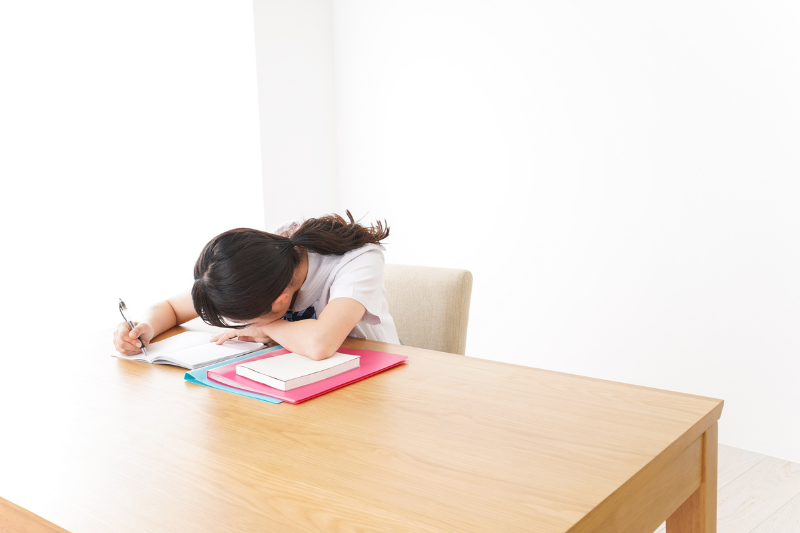
When a child is struggling emotionally, school is usually
one of the first places it shows. So if you're noticing a dip in your child's
engagement or attainment and something feels off beyond the academic, it's
worth paying attention to that instinct.
In this post we'll cover how to recognise the signs that
mental health might be affecting your child's schoolwork, five practical ways
to help at home, and when it's time to seek professional support.
Are Mental Health and School Performance Connected?
Your child’s mental health and their school performance are definitely
and deeply connected, each influencing the other more than many realise.
Emotional stress, anxiety, low mood, or burnout can make concentration, memory
and motivation harder. These often show up as dips in grades, disengagement, or
behavioural issues.
Research published in ScienceDirect shows that children with social, emotional
and behavioural problems are more likely to perform worse academically over
time. In fact, poor mental health in a school setting is associated with
increased risk of truancy, grade repetition, or dropping out (PMC).
In the UK, 74% of teachers believe that insufficient mental
health support negatively affects pupils’ ability to learn (YoungMinds).In England, positive wellbeing is also linked with better engagement,
attendance and academic outcomes(UK Parliament POST).
Signs That Mental Health Might Be Affecting Your Child's Schoolwork
The signs that mental health is affecting schoolwork aren't
always obvious. Some are visible; others you have to read between the lines.
Persistent low mood or irritability leading to
avoidance of homework
Difficulty concentrating, seen in unfinished
tasks or poor test results
Social withdrawal, which reduces participation
in group learning
Physical symptoms such as headaches or tiredness
that disrupt attendance
A drop in grades; for example, pupils with
depression before age 15 are 40% less likely to achieve expected GCSE
thresholds (Maudsley BRC)
None of these on their own are cause for alarm. But patterns
matter, and if several of these feel familiar and have persisted for a few
weeks, it's worth acting on.
5 Ways to Help at Home
1. Give them space to share
Children often internalise stress silently. By giving them
space to share, you can spot early signs of difficulty such as worries, sadness
or overwhelm. The NSPCC emphasises that "making space and time to talk” is
a key way to promote mental health(NSPCC Learning).
What works better is indirect, low-pressure conversation at
calm moments: in the car, at bedtime, on a walk. Questions like "what was
the worst bit of today?" or "is there anything about school that's
been feeling hard lately?" are easier to answer than "how are you
feeling?" Give them room to answer slowly. Silence isn't always awkward;
sometimes it means they're thinking.
The goal isn't to fix everything in one conversation. It's
to make it normal to talk, so that when something is really wrong, they already
know you're someone they can tell.
2. Reduce the pressure around learning
3. Prioritise Sleep, Nutrition & Routine
Poor sleep, erratic eating, or irregular routines can
amplify mood swings, decrease concentration, and weaken resilience. The UK
Government highlights that modifiable factors such as sleep, diet, and daily
structure play a major role in supporting mental health (GOV.UK).
For sleep, consistency matters more than the exact bedtime: the
same time every night, including weekends, makes a bigger difference than most
parents expect. Screens in the hour before bed genuinely disrupt sleep quality.
For movement, even short bursts help; a ten-minute walk between homework and
dinner can reset a child's mood more effectively than anything else on this
list.
Routine also provides something that anxious children
particularly need: predictability. Knowing what's coming next reduces the
low-level background anxiety that drains energy and focus throughout the day.
4. Find the things they're good at
Children need things they can do well. This builds
confidence, reduces stress, and motivates them to keep learning. Research shows
that a sense of belonging, positive relationships, and opportunities to shine
are vital for wellbeing and achievement(UK Parliament POST).
It doesn't have to be academic; sport, art, music, cooking,
gaming, and being good with younger siblings could all "count". Whatever it is, protect time for it,
take it seriously, and celebrate it genuinely.
This isn't a distraction from the academic problem.
Confidence built in one area tends to transfer. A child who feels capable and
valued is in a much better position to tackle the things they're finding hard.
5. Don't underestimate the role of connection
Research is fairly consistent on this: children who feel
securely connected to at least one trusted adult do better emotionally and
academically than those who don't. You don't need to have all the answers or
say the perfect thing. Presence, consistency, and the sense that you're on
their side matters more than any specific intervention.
If your child has a teacher, tutor, or other adult outside
the family who they trust and respond well to, that relationship is worth
nurturing.
When to Seek Professional Support
The strategies above can make a real difference for children
who are stressed, anxious, or going through a difficult patch. But they’re not
a substitute for professional support when that's what's needed.
If your child is showing persistent low mood that doesn't
lift, expressing hopelessness, withdrawing completely from activities they used
to enjoy, or if you're worried about self-harm, speak to your GP and your
child's school.
In the UK, YoungMinds offer guidance on school anxiety and refusal.
Many schools now also work with Mental Health Support Teams (MHSTs) to provide
structured wellbeing support.
Find a Tutor Through Primary Tutor Project
Supporting your child’s mental health is not a one-off fix;
it’s a consistent, compassionate approach. The strategies above help reduce the
emotional "noise” so their mind can engage more effectively with learning.
If you feel your child is falling behind due to emotional or
motivational struggles, tutoring can provide tailored academic support. Tutors
build confidence, encourage progress at a manageable pace, and act as
supportive allies during tough times.
At Primary Tutor Project, our experienced tutorscombine academic expertise with an empathetic, child-centred approach, helping
children thrive both emotionally and academically.
Book
a free consultation to explore how 1:1 support can help your child thrive
again, mentally and academically.
Author: Callie Moir
I’m Callie, the founder of Primary Tutor Project, an online tuition service that connects families around the world with expert UK primary school teachers. We specialise in English and maths tuition (including ESL), supporting children through every stage of primary education. I've been a tutor and an early years and primary school teacher in Colombia, Japan, and the UK, and I love sharing my experience through the Primary Tutor Project blog!
Loading...
The website uses cookies to provide the best user experience while browsing safely. You can read more about cookies in the Privacy Policy. Cookies Policy