Choosing the
right online tutor for your child can feel like a big decision. With so
many options available, it is important to know what to look for to ensure your
child gets the support, guidance, and encouragement they need to thrive.
In this blog, we will walk you through a practical,
parent-friendly checklist to help you confidently choose the best online tutor
for your child’s learning journey.
The Checklist
Qualified teacher or demonstrable experience
with children this age
DBS checked
Clear process for assessing your child before
sessions begin
Tailors lessons to your child specifically, not
a one-size syllabus
Regular progress updates to you, not just your
child
Uses a secure, stable video platform
Consistent availability, with a clear process if
sessions need to move
Reviews or recommendations from other parents
you can actually read
If a tutor or service can't clearly answer yes to all of
these, keep looking. None of them are unreasonable asks.
Let’s take a look at each of these points in a little more
depth.
Qualified and experienced
A teaching qualification matters, but so does the specific
experience. A secondary school English teacher and a Year 3 classroom teacher
are both qualified, but only one of them knows how phonics is taught in KS1 or
how SATs papers are structured. Ask specifically: what age groups have you
worked with, and for how long?
Experience with children who've struggled is also worth
asking about. A tutor who's only ever worked with high-attaining pupils may not
have the patience or toolkit for a child who's lost confidence or fallen
significantly behind.
DBS checked
A DBS check (Disclosure and Barring Service) is the standard
background check for anyone working with children in the UK. Any tutor working
with your child should have one, and it should be recent. Don't feel awkward
asking; any professional tutor will expect the question.
Assessment before sessions start
This is one of the biggest differentiators between good
tutors and average ones. A tutor who starts sessions without first
understanding where your child actually is will spend the early weeks finding
their feet at your expense. A proper initial assessment, even an informal one,
means the first real session is already targeted at the right gaps.
Ask: how do you assess a new student before starting?The answer tells you a lot.
Personalised learning approach
Every child is different, so it is important that the tutor
adapts their sessions to suit your child’s needs.
What you're looking for is a tutor who plans sessions around
your specific child's gaps and learning style, rather than following a standard
week-by-week syllabus regardless of how the child is progressing.
In practice, this means sessions should look different
depending on what happened last week. If your child finally cracked long
division but is still struggling with word problems, a good tutor adjusts. Ask
for a concrete example of how they've changed their approach for a particular
student — vague answers here are a red flag.
Progress updates
Your child might love their tutor and come out of every
session in a great mood. That's a good sign, but it's not the same as progress.
You should be getting regular, specific updates: what was covered, what's
improved, what still needs work, and what you can do at home to reinforce it.
Some tutors do this naturally; others need prompting. Either
way, set the expectation upfront. A tutor who isn't able or willing to
communicate with you clearly is a problem waiting to happen.
The right technology setup
Online tutoring only works if the technology does. A tutor
working from a noisy kitchen on a laggy connection, sharing worksheets via
grainy screenshare, is not going to hold your child's attention for long. Ask
what platform they use, whether sessions are interactive (shared whiteboards,
annotation tools, live resources), and what happens if the connection drops.
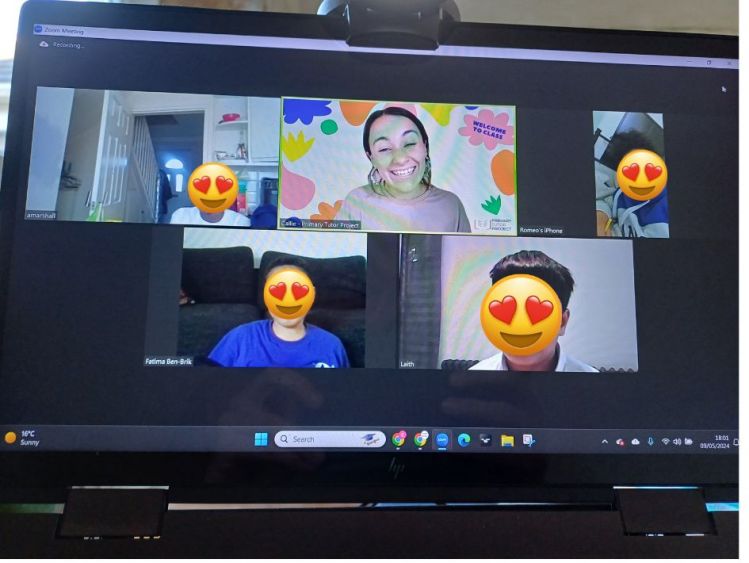
For younger children especially, the online environment
needs to work hard to keep engagement up. The best tutors treat the tech as
part of their teaching toolkit, not just a video call with homework.
Consistency and flexibility
Routine matters for children, particularly those who are
anxious about learning or have had negative experiences at school. A regular
weekly slot with the same tutor builds trust and momentum. One-off or irregular
sessions are much harder to build on.
At the same time, family life is unpredictable. Check
upfront how much notice is needed to rearrange a session and whether missed
sessions can be made up. A tutor with a completely rigid cancellation policy
isn't necessarily a bad tutor, but it's worth knowing before you commit.
Real reviews from real parents
Testimonials on a tutor's own website are worth reading but
limited; nobody publishes a bad one. Look for Google reviews, Trustpilot, or
word-of-mouth recommendations from parents in a similar situation to yours. If
a tutor is working through a tutoring agency or platform, check whether the
reviews are for the specific tutor or for the service generally.
How to Know If Tutoring Is Working
Most children show some improvement within four to six weeks
of consistent sessions with better confidence, more willingness to try, and
small but visible gains in the target area. It doesn't need to be dramatic, but
there should be movement.
If after six weeks you're not seeing any change, it's worth
a direct conversation with the tutor. Sometimes the approach needs adjusting.
Sometimes the match just isn't right, and that's nobody's fault; children
respond differently to different people, and finding the right tutor sometimes
takes more than one attempt.
What you shouldn't do is keep going with something that
isn't working out of politeness or inertia. The whole point is progress.
Hire a Tutor Through Primary Tutor Project
Choosing the right tutor is about more than just
qualifications. It is about finding someone who connects with your child,
understands their needs, and makes learning feel achievable and even enjoyable.
At Primary Tutor Project, we believe in providing
more than just tutoring. Our sessions are led by fully qualified UK
teachers who personalise each lesson to your child’s learning style
and goals. With a focus on building confidence, core skills, and a love of
learning, we’re here to support your child every step of the way.
Use this checklist as a guide, trust your instincts, and reach out if you would like to
learn more about how we can help your child thrive.
Author: Callie Moir
I’m Callie, the founder of Primary Tutor Project, an online tuition service that connects families around the world with expert UK primary school teachers. We specialise in English and maths tuition (including ESL), supporting children through every stage of primary education. I've been a tutor and an early years and primary school teacher in Colombia, Japan, and the UK, and I love sharing my experience through the Primary Tutor Project blog!
Loading...
The website uses cookies to provide the best user experience while browsing safely. You can read more about cookies in the Privacy Policy. Cookies Policy